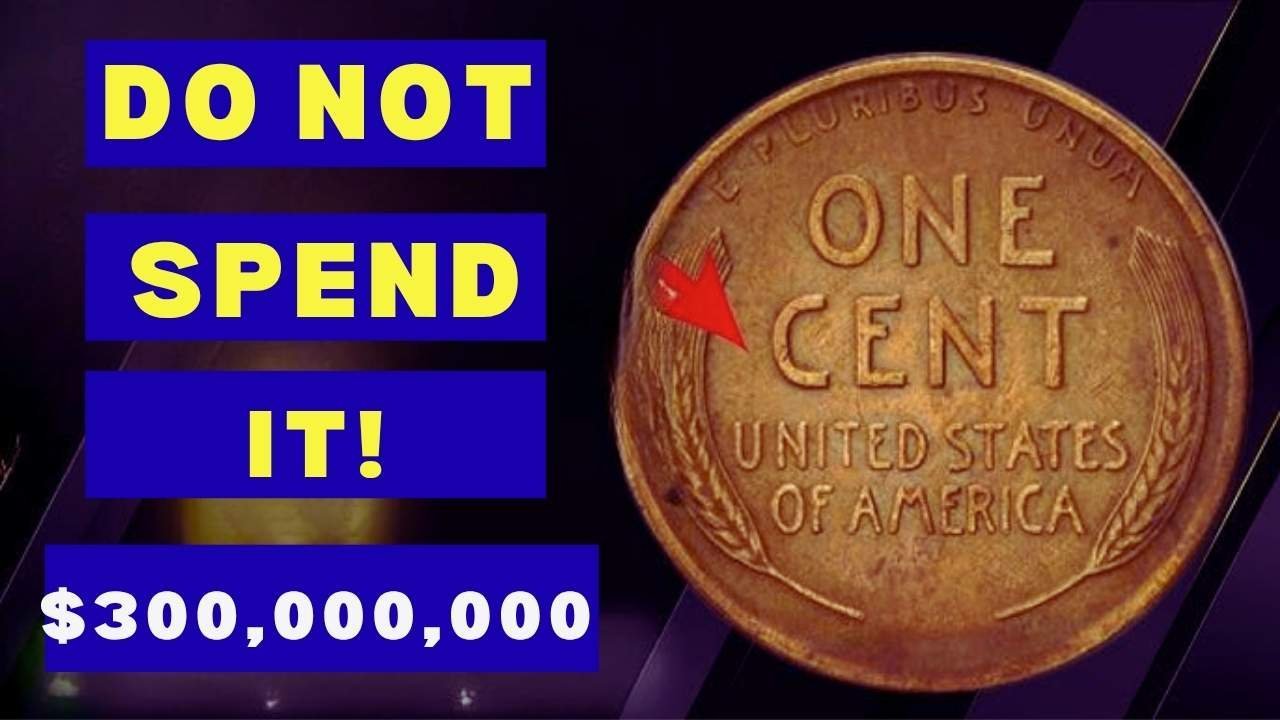
Wheat pennies, officially known as Lincoln Wheat Cents, were minted from 1909 to 1958 and continue to attract collectors across the United States. These coins feature Abraham Lincoln on the front and two wheat stalks on the back. Over the last decade, from 2016 to 2026, interest in wheat pennies has steadily increased, leading to gradual price growth, especially for better-quality and rare examples.
Why Wheat Pennies Still Matter to Collectors
Lincoln Wheat Cents hold a special place in American history. They were the first U.S. coins to feature a real person and were minted during major historical periods such as the Great Depression and both World Wars. This strong historical connection makes them appealing not only to serious collectors but also to beginners who enjoy owning a piece of the past.
यह भी पढ़े:
 Top 5 Ultra Rare Lincoln Pennies Worth a Fortune Complete Millionaire Collector’s Guide for 2026
Value Trends From 2016 to 2026
Over the past ten years, wheat penny values have shown a clear pattern. Common circulated coins, especially those from the 1940s and 1950s, have remained affordable. In 2016, these coins typically sold for around five to fifteen cents. By 2026, most of these same coins are worth roughly fifteen to thirty cents. This increase is modest but steady, reflecting consistent demand.
Rare and High-Grade Coins Lead the Market

While common wheat pennies remain low in value, rare dates, mint errors, and coins in excellent condition have seen stronger price growth. Key dates and certified high-grade examples have often doubled or more in auction prices during the last decade. Online auctions and global collectors have played a major role in pushing demand for these premium coins.
What Drives Wheat Penny Prices
Several factors influence wheat penny values. Condition is one of the most important, as coins with sharp details and minimal wear are far more desirable. Rarity also matters, especially for key dates and known error coins. Third-party grading has become increasingly important, as certified coins offer buyers confidence in authenticity and condition.

Realistic Expectations for Everyday Finds
Many people hope to find a valuable wheat penny in pocket change or old jars, but most common dates are worth less than one dollar in circulated condition. These coins are still enjoyable to collect for their history, even if they are not highly valuable. Coins that are rare, uncirculated, or have known errors are the ones that can reach hundreds or even thousands of dollars.
The Outlook for Wheat Pennies

The wheat penny market remains healthy and accessible. Common coins are affordable and popular with beginners, while rare and high-quality examples continue to attract serious collectors. Over the last ten years, these classic cents have proven their lasting appeal, blending history, nostalgia, and collecting excitement.
Disclaimer
This article is for informational purposes only and does not constitute financial or investment advice. Coin values can fluctuate based on market conditions, demand, and individual coin characteristics. Readers should consult reputable coin dealers or professional numismatists for accurate valuations and guidance.